
Fall and Winter Event Coffee Menu Ideas for Toronto Planners
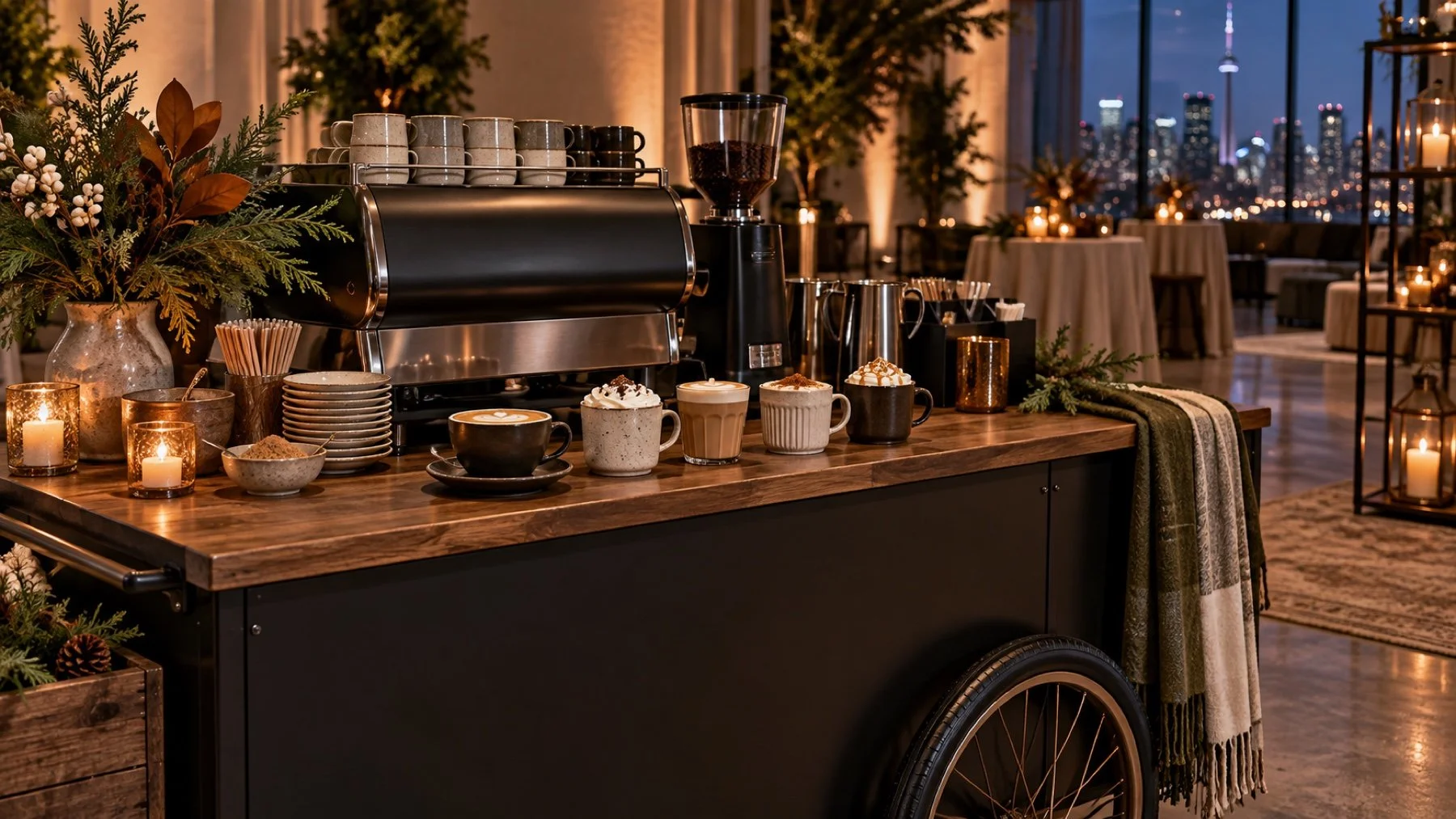
Event coffee service planning for a cold season gathering begins with the moment guests can order. At NO.3 Coffee, we match the menu conversation to that event schedule.
The longest line at a fall event often starts with a menu that asks every guest to make too many decisions. A seasonal drink list can look generous on paper, then slow the counter when each person must compare flavours, milk choices and hot or iced versions while the next session is about to begin.
For an event coffee service in Toronto, choose the menu around the audience and the moment of service. Keep the core drinks easy to recognize, add one or two seasonal options that suit the event, and confirm every final choice with the coffee team. NO.3 Coffee lists fall and winter specials on its sample menus, but availability belongs in the current quote rather than in an old planning document.
The Coffee Association of Canada reported that 71 percent of Canadians had a coffee beverage the previous day in its 2025 research. That national figure does not predict orders at one event, but it supports keeping familiar coffee choices visible beside the seasonal features.
For events where food is prepared or served, the Toronto Public Health organizer guidance explains the food vendor checks planners should make. Menu creativity and vendor due diligence belong in the same event file.
Let the service moment narrow the menu
A morning registration period needs a different menu from an evening holiday reception. Early service usually benefits from recognizable coffee choices that guests can order quickly while collecting a badge or greeting colleagues. An afternoon break may support a seasonal feature because guests have more time to pause. At a wedding or private event, the drink can accompany dessert or become its own gathering point.
Write the event schedule beside the proposed menu. Note when the bar opens, what else guests are doing, and how long they can reasonably spend choosing. This keeps menu planning tied to the run of show. It also gives the barista team useful context when they recommend which drinks belong on the final list.
Build the menu from familiar to seasonal
Begin with the drinks most guests can identify without explanation. NO.3 Coffee lists espresso, americano, cappuccino, flat white, latte and mocha among its coffee choices. Its sample menus also show options such as hot chocolate, matcha and chai. A planner can use those verified categories to shape a balanced request, then ask what is available for the selected setup and date.
Seasonal names should add clarity, not create a guessing game. The live sample menu lists Pumpkin Spice Latte, Maple Oat Latte and Apple Cider Chai for fall, plus Peppermint Mocha, Gingerbread Latte and Eggnog Latte for winter. Choose a short seasonal feature list and keep a familiar route through the menu for guests who want a plain coffee drink.
Plan for mixed preferences without promising too much
A useful menu brief identifies the needs in the room. Tell the coffee team if guests have requested decaf, non coffee drinks or milk alternatives. Do not describe the service as allergen free. Dairy, almond and soy products may be present, and the safe approach is to disclose known allergies during planning so the supplier can explain its current ingredients and handling process.
Keep caffeine considerations separate from dietary preferences. Matcha and chai may contain caffeine, so they are not automatic caffeine free choices. If that distinction matters for the group, ask for a clearly identified decaf or non coffee option. The menu board should help guests make that choice without needing a long conversation at the counter.
Use presentation to support faster ordering
Place the most familiar choices where guests will see them first. Group seasonal drinks together and use plain descriptions if the name does not reveal the flavour. If custom menu boards are part of the event plan, confirm the wording and artwork process with the supplier. Do not assume a production timeline or file format that has not been written into the quote.
The physical station matters too. A menu is only useful if guests can read it before reaching the order point. Ask the venue and coffee team where the list will sit, whether lighting is adequate, and how the waiting area relates to doors, food tables and accessible routes. These are simple checks that protect both the visual presentation and the event schedule.
Send a menu brief that invites a clear recommendation
Give the coffee team the date, venue, event type, service time, guest range and the reason coffee is being served at that moment. Add the proposed core drinks, any seasonal interests, decaf and non coffee needs, known dietary requests, and whether the drinks should be hot, iced or a mix. Mark each item as required, preferred or open to recommendation.
Then ask the supplier to return one current menu recommendation with ingredient and service details that matter to the booking. This is more reliable than assembling promises from several web pages. Review the live sample menus, see the broader coffee catering service, and use the corporate event page when the brief is for a workplace or conference.
Test the menu against three real ordering moments
Run the proposed menu through three short scenarios before approving it. First, picture a guest arriving while registration staff are checking a name. That person needs familiar wording and a quick path to a drink. Next, picture a guest entering a scheduled afternoon break with several minutes to browse. A seasonal feature can carry more explanation there. Finally, picture a guest returning after dessert or an evening program. The menu may need fewer stimulating choices and a more obvious decaf or non coffee route. This exercise exposes where the menu is asking too much of guests at the wrong moment.
A corporate holiday event also has several audiences in one room. Some guests want a standard latte. Others want the seasonal feature they saw on the invitation. A third group needs a drink without coffee or wants to ask about milk choices. Put those routes on the menu in that order. The seasonal idea remains visible, while nobody has to decode it before placing a basic order. For a wedding, move the couple selected feature to the lead position, then keep the plain description directly below the name.
Do not treat every drink idea as a promise. Mark the fall or winter options as proposed until NO.3 Coffee confirms the current ingredients and availability for the date. That distinction matters when invitations, internal event pages or printed signs go to production weeks earlier. The final approved wording should move into the event brief and the menu board proof at the same time. One source of truth keeps the planner, venue and barista team from working from different versions.
Use the final menu to plan the station, not only the sign
Each added choice affects more than the printed list. It can change the ingredients that need cold storage, the questions guests ask and the time needed to explain an unfamiliar flavour. Ask which options share the same preparation path and which ones create an extra step. This is not a reason to remove every interesting drink. It is a reason to give the feature a clear role. A maple or peppermint option can feel special when the rest of the menu gives guests an easy route to a familiar order.
Review the menu with the venue layout in front of you. Guests should see the choices before they reach the order point, especially when coats, name badges or event materials occupy their hands. Place the board where it does not block the counter or the accessible path. If the room lighting is low, prioritize contrast and plain wording over decorative copy. If the station moves between an arrival area and a reception room, confirm which sign and menu treatment moves with it.
Finish with a short approval record. List the exact drink names, short descriptions, available milk choices, decaf and non coffee options, and any seasonal ingredient that needs confirmation. Add the service time, location and name of the person approving changes. This record becomes the practical bridge between the creative menu conversation and event operations. It also gives the coffee team a clean basis for its recommendation instead of asking it to reconcile comments from several email threads.
Approve the menu in the same sequence guests use it
Start with the board, then move to ordering, preparation and pickup. At the board, each name needs a plain description. At ordering, the guest needs an obvious route to coffee, decaf or a non coffee option. During preparation, the barista needs the final ingredient and milk choices. At pickup, the drink name must remain clear enough that the right person takes it. Reviewing that sequence catches menu copy that looks polished but does not support service.
Ask the planner and coffee team to proof the list together. The planner checks event language, schedule and audience needs. The coffee team confirms that the names, ingredients and available options match the proposed service. If branding is involved, the brand owner approves only after those operating details are stable. This order avoids paying for a beautiful sign that describes a menu the station cannot deliver as written.
Archive the approved menu with the proposal, not in a separate design thread. Add the date, version and approver. If an option changes, update the guest facing copy and event brief together. A cold season menu can still feel warm and generous with a short list. Its quality comes from clear choices, a sensible service moment and descriptions the live team can stand behind.
Check the final menu and service plan
- Event date, venue and service window
- The guest groups who need coffee, decaf or non coffee choices
- Two or three familiar anchor drinks
- One or two seasonal ideas to confirm
- Dietary requests that need a direct supplier response
- Menu board or branding needs, if any
Plan your NO.3 Coffee service
Share your event schedule, audience and seasonal menu ideas with NO.3 Coffee. Request a current event proposal and confirm the final drink list for your date. We serve Toronto and the GTA. Review the current service area.