
Wedding Coffee Bar Rental in Toronto: What to Know Before You Book
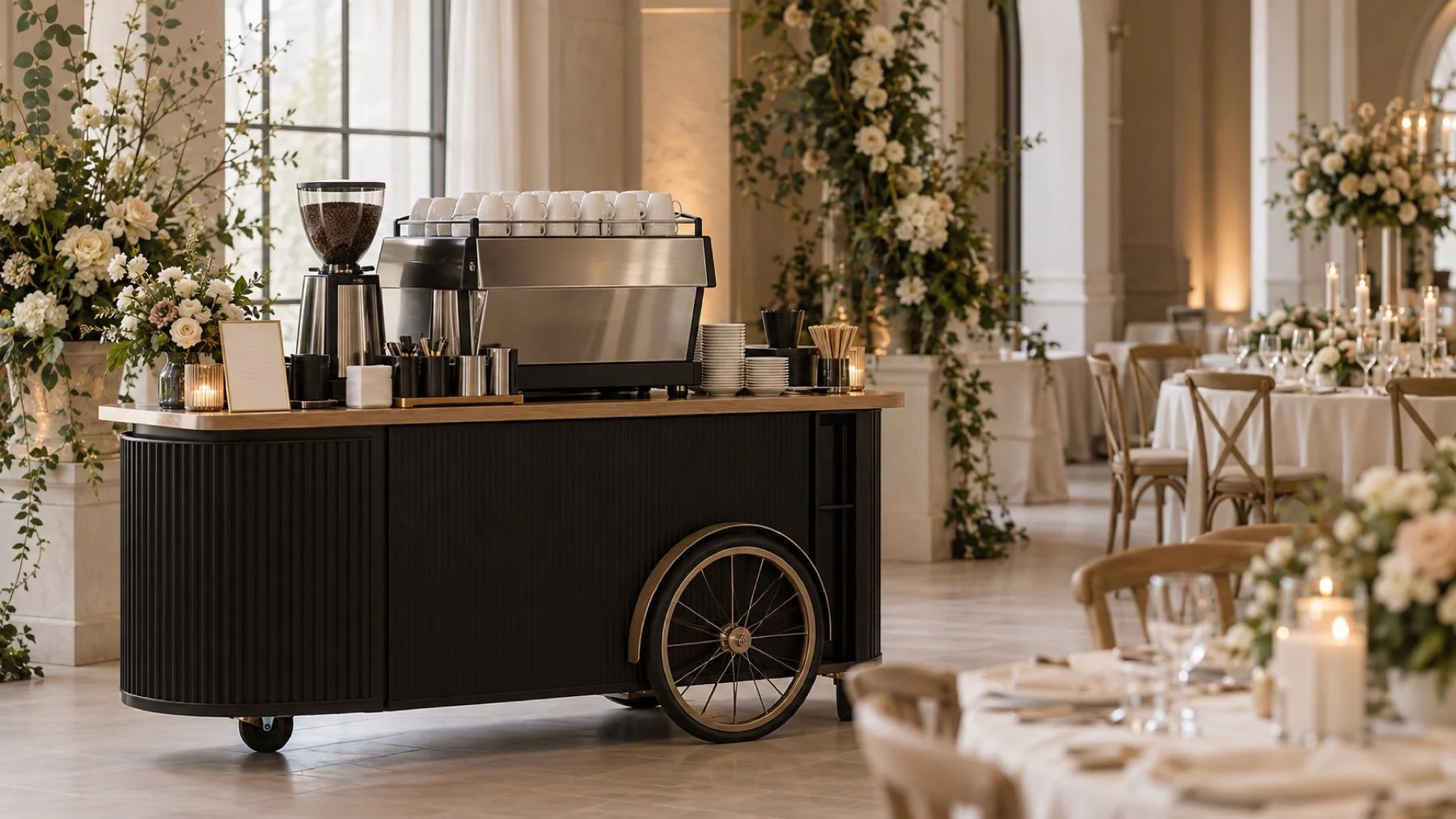
Wedding coffee bar rental Toronto planning starts with the reception schedule, guest movement and venue. At NO.3 Coffee, we use those details to prepare the current recommendation for the selected wedding service.
Research published by the Coffee Association of Canada found that 71 percent of Canadians had consumed a coffee beverage the previous day in 2025. That national figure does not predict wedding orders. It does explain why the coffee moment deserves the same practical timing and venue planning as other guest services.
NO.3 Coffee serves Toronto and the GTA. Confirm the wedding address and any location terms in the current proposal.
Wedding service brief at a glance
- Reception schedule and preferred coffee moment
- Guest range and expected movement
- Venue access, placement and operating requirements
- Coffee, decaf and non coffee menu needs
- One planner or venue contact for event day changes
The ceremony is over, the room is turning for dinner, and guests are looking for somewhere to gather. A coffee bar can make that pause feel intentional. Put it in the wrong place or open it at the wrong moment, though, and the barista may be ready while the guests are still across the venue.
When you book wedding coffee catering in Toronto, begin with the reception schedule and the room rather than a list of drinks. The best service window depends on when guests can reach the bar, how long they will stay nearby, and what else the caterer and venue need to do at the same time. This guide walks through those choices so you can give a coffee team a useful brief and get a quote that matches your day.
Choose the moment you want coffee to serve
A wedding may have several natural coffee moments, but they do different jobs. A cocktail hour bar gives early arrivals somewhere to settle while photographs or a room change are underway. It works best when the station is in the same part of the venue as the guests, not in a dining room that remains closed. Ask when guests may enter that space and whether the bar can be set before they arrive.
After dinner, coffee can accompany dessert and conversation. This is often a more leisurely moment, but it overlaps with speeches, clearing tables and the transition to dancing. If service opens just as everyone is seated for a toast, the timing looks neat on paper and wastes the first portion of the window. A planner can instead align the opening with the first moment guests are free to move.
Late night service has a different rhythm. Guests may come in small waves between songs or arrive together when another food station opens. A separate morning after brunch is another option when the couple wants the coffee experience to be part of a quieter gathering. NO.3 Coffee lists cocktail hour, post dinner, late night and brunch as wedding service occasions. The point is to choose the one that suits this wedding, not to fit every option into one booking.
Plan for the guests who will use it
A headcount tells a caterer how many people may attend. It does not tell them how guests will arrive at the bar. One hundred guests spread across two hours behave differently from the same group released from dinner at once. Include the guest range, the expected arrival pattern and whether coffee is the only refreshment at that moment. Do not assume a published package name or guest cap will answer these questions. NO.3 Coffee's public pages describe packages differently, so request a current recommendation for your specific event.
Think about who will order, too. An espresso drink may appeal to guests after dinner, while another guest wants hot chocolate, chai, matcha or a decaf choice. NO.3 Coffee's sample menu lists those categories along with iced drinks and several milk options. Availability for your date and setup should be confirmed in the quote. A short menu that gives different guests a clear choice is usually easier to navigate than a long list every person must study at the counter.
For a reception with children, guests avoiding caffeine or guests with dietary restrictions, communicate those needs directly. Almond and dairy products may be present in the same service environment, so do not describe a drink as allergen free without a specific, confirmed handling plan. Tell the coffee team about allergies during planning and let them explain what can safely be offered.
Consider a guest's physical path as well. Someone carrying a dessert plate should be able to find the station without crossing a service corridor or the path to the dance floor. Guests should have a place to wait that does not block an accessible route. If the queue could meet a doorway, ask the venue whether another location would make movement easier. These are placement decisions, not promises that any supplier can eliminate a line.
Give the bar a workable place in the venue
Wedding photographs often show the finished station and skip what it takes to get there. A mobile espresso setup needs a route into the room, somewhere to unload and a confirmed power arrangement. The coffee team and venue should agree on those details before the event. NO.3 Coffee's pages give differing figures for footprints, outlet arrangements and setup time, so do not plan from a single number on the website. Ask for the requirements of the exact station proposed for your venue.
Start with a simple location sketch. Mark the guest entrance, bar, dining area, dessert table, exits and the route staff will use. Share a photo of the proposed station position if the venue permits it. The coffee team can then discuss whether a cart or a fuller espresso bar is appropriate, while the venue can confirm what may be placed there. A beautiful corner is not useful if it has no approved power source or if it is behind a door guests cannot reach until later.
For a hotel or multiroom venue, ask about the loading dock, elevator, parking, security check in and the contact who can grant access. If the ceremony and reception use different rooms, confirm when the coffee team may enter the chosen room. If there is a tight room turn, the planner should identify who will tell each vendor that setup may begin. These small handoffs matter more than an optimistic setup estimate.
Outdoor service needs an additional conversation. Confirm whether the location has cover, stable placement and a venue approved power plan, and decide where service would move if conditions change. A tent or patio on the plan is not proof that it will be workable in the weather on the day. Get the coffee team's own assessment of the proposed arrangement rather than promising guests that an outdoor station will run regardless of conditions.
Build a menu around the service moment
Let the event moment narrow the menu. At cocktail hour, guests may want a quick drink while circulating. After dinner, the menu can make more room for a warm latte or cappuccino alongside dessert. A summer reception may call for iced coffee choices, while a winter brunch may favour hot drinks. This is a planning framework, not a fixed menu offered by NO.3 Coffee. Confirm the final selection and ingredients with the team.
NO.3 Coffee's sample menus list espresso, americano, cappuccino, flat white, latte and mocha, plus iced latte, cold brew, matcha, chai and hot chocolate. If a guest group has broad preferences, a combination of familiar coffee drinks and a few non coffee options makes the menu easier to use. Ask whether decaf or tea can be included for your event rather than assuming every variation is available on every setup.
Signature drinks can give the bar a wedding specific touch. The useful brief is not just a name for the drink. Tell the team the flavour direction, whether it should be served hot or iced, and what kind of guest it should appeal to. If you are considering a printed menu, custom cups or another branded element, ask what artwork and decisions the team needs and when. NO.3 Coffee offers custom branding, but the final scope and timing belong in the quote.
Coordinate the people who already run the day
A wedding coffee bar is one vendor in a larger sequence. The venue controls access and placement. The caterer may control dessert service and clearing. The planner manages the run of show, while a photographer may need a clean line through the room. Give each person the same service start time and station location. It prevents the coffee team from hearing one version of the plan while the venue follows another.
Choose one event day contact who can answer operational questions. That person should know when the room opens, how the coffee team enters, where equipment may go and who at the venue approves the final position. The couple should not have to settle a loading question during portraits. If the service moment changes, that contact can tell the barista team and the other vendors together.
Build in a decision point for changes. An extended speech or a weather move may shift when guests can reach the bar. Rather than promising a spontaneous change, discuss with the supplier what flexibility the proposed booking allows. Some changes may affect the staffing, setup or service window. The quote is the place to clarify those terms, especially when the public pages describe packages in different ways.
Ask the venue whether it has vendor insurance or food service documentation requirements. NO.3 Coffee's site says it carries liability insurance. Ask the venue to state which documents it wants and when. Do not assume that a venue's approval of one vendor automatically covers the coffee station's placement or operating plan.
Send a quote request that can be answered
A useful request gives the coffee team enough context to recommend a service, not just a date and guest count. Send the venue name and address, expected attendance, preferred service moment, approximate window, indoor or outdoor location and the contact who can confirm access. Describe the menu direction, any important non coffee choices and whether you want custom cups or signage. Mention a room turn or difficult loading route early.
If some details are undecided, say so. The quote can distinguish confirmed requirements from open choices. For example, We expect around 120 guests, but the final count is due next month is more useful than pretending the number is final. Likewise, Coffee after dessert, pending the reception timeline gives the team a planning anchor without treating a draft schedule as a promise.
Ask the supplier to spell out the proposed equipment, staffing, included supplies, service window, setup and cleanup, venue requirements, and any menu or branding choices that affect the quote. Do not rely on package names or a headline claim about open ended drink service. NO.3 Coffee asks couples to request a current event proposal, and that written response should be the source for the current scope and price.
Start with the moment you want guests to remember, then test it against the schedule and the room. Once those pieces fit, the menu and presentation become much easier to choose. Explore NO.3 Coffee's wedding service and sample menus, then tell the team about your date and venue for a current event proposal.
Plan your NO.3 Coffee service
Tell us about the wedding date, venue and service moment. We serve Toronto and the GTA. Request a current event proposal.