
Logo Latte Art or Branded Cups: Which Fits Your Event?
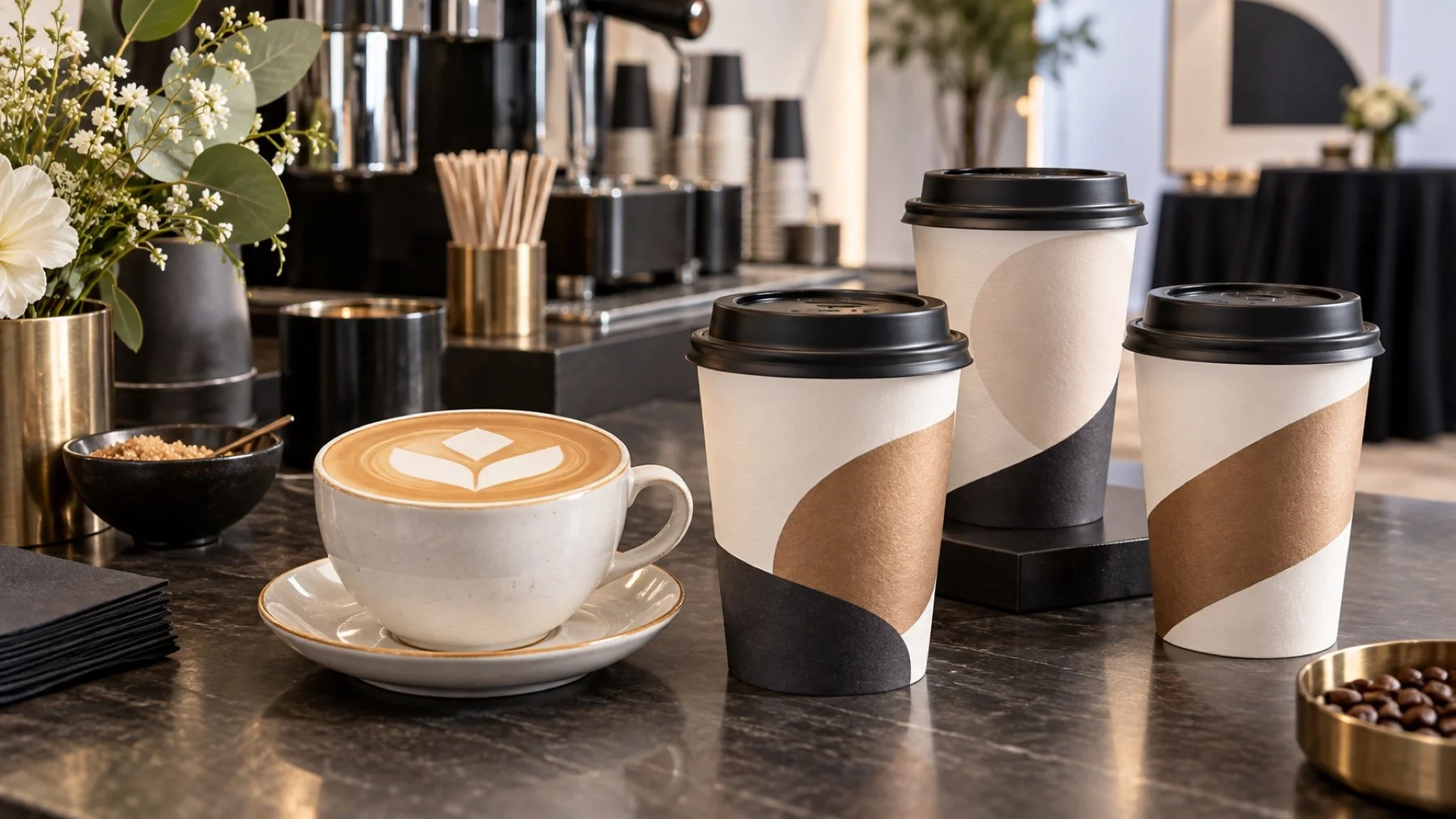
Logo latte art puts the brand at the drink handoff. At NO.3 Coffee, we compare that moment with the longer visibility of a branded cup.
A guest reaches the coffee bar just before the keynote begins. The logo in the foam creates a close, individual reveal. A branded cup stays visible as the guest walks back through the venue. Both can support an event, but they work at different points in the experience.
Choose between logo latte art and branded cups by looking at the guest journey, drink mix and campaign goal. NO.3 Coffee lists both options on its custom branding page. The production method, artwork requirements, quantities and lead time still need to be confirmed for the exact event.
The Coffee Association of Canada reported that 29 percent of Canadians consumed an espresso based drink the previous day in 2025. The figure explains the familiarity of the format, not the value of any branding treatment. The event goal still determines the stronger option.
A branded surface does not replace accurate drink information. Health Canada identifies coffee and tea as caffeine sources, so the event menu should describe the beverage as clearly as it presents the brand.
Compare the guest touchpoint first
Logo latte art is encountered at the handoff. It can make the finished drink feel personal and can invite a close photograph. Its effect is tied to suitable drinks and to the moment the cup is presented. Ask the supplier which menu choices can carry the approved image and how that option fits the expected service flow.
A branded cup remains visible while the guest moves through a meeting, trade show or reception. That makes it useful when the cup itself is part of the event environment. Consider where used cups will appear too. A strong touchpoint includes a tidy plan for lids, sleeves, waste and clearing.
Match the format to the drink menu
Start with what the audience is likely to order. A branding idea should not force the entire menu into one drink style. If the event needs espresso drinks, decaf and non coffee choices, ask how consistently the branding can appear across them. The coffee team may recommend one feature drink for latte art and a broader cup treatment for the rest.
Confirm whether hot and iced drinks use different vessels and whether the proposed branding applies to both. Do not assume one asset will transfer to every surface. A written scope should identify the drinks and materials included, then show how unbranded or differently presented choices will look beside them.
Prepare an artwork handoff the supplier can check
Send the approved logo from the brand team rather than copying an image from a website or slide. Include the brand contact who can approve any adaptation. Ask the supplier which file type, colour treatment and clear space it needs. The live service page confirms custom branding is offered, but it does not establish one universal production specification.
Keep the design simple enough to survive its final scale. Fine text and detailed marks may not read clearly on a cup or in foam. Request a proof or production preview if the supplier offers one, and record who must approve it. Do not print event materials that show the branded drink until that proof has been accepted.
Plan visibility beyond the first photograph
Map the route from order to disposal. At a conference, cups may appear in breakout rooms for an hour. At a product launch, the handoff might be the main branded moment. At a wedding, a monogram can feel appropriate while a heavily promotional cup may not. The event context decides whether repetition strengthens the experience or distracts from it.
Coordinate the coffee treatment with signs, napkins and nearby sponsor assets. More branded surfaces do not automatically create a clearer experience. Choose one lead element and let the rest support it. Ask the venue where waste stations can sit so used cups do not become the most visible brand impression.
Freeze the branded scope before production
The final quote should identify the selected format, approved artwork, affected drinks, proof process, production responsibility and approval deadlines. Leave quantities, prices and lead times to that written scope. Those details depend on the event and are not confirmed in the public material.
Review NO.3 Coffee’s custom branding service, compare possible drinks on the sample menus, and use the corporate event page to place the idea within a staffed coffee service rather than treating it as a stand alone print order.
Compare what the guest sees, carries and remembers
Logo latte art concentrates the brand at the handoff. The mark appears on the surface of a suitable drink when the guest receives it, which can create a focused photo moment. Branded cups keep the identity visible after the drink leaves the station. They may appear in meeting rooms, along event routes and in informal photographs taken away from the bar. Choose between them by mapping the guest journey, not by deciding which sample image looks more impressive.
Start with the menu. Latte art belongs to drinks with a surface that supports the selected treatment, so it cannot represent every order in the same way. A cup treatment can travel across more drink categories, subject to the format that the supplier confirms. If the event needs one premium reveal, latte art may carry the idea. If the brand needs repeated visibility while guests move through a conference or activation, cups may serve the broader route.
You can also ask whether both formats belong in the same proposal, but give each one a distinct job. The latte surface can mark a hosted meeting or selected feature drink. The cup can carry the consistent identity across the rest of service. Avoid adding both simply because they are available. Every extra production element needs artwork, proofing and an owner, and the event team should know which one is essential if scope changes.
Build an artwork handoff that survives production
Send one approved brand asset through the process named by the supplier. Include the official colour reference, clear space guidance and the person authorized to approve a proof. Do not assume a file type, minimum line weight, colour result or production method. Ask what the chosen treatment can reproduce and let the brand team approve the version designed for that format. A complex logo may need a simplified approved mark rather than an improvised edit.
Proof the object in context. For cups, check the mark direction, placement and visibility when a guest holds the drink. For latte art, check the approved graphic and how the menu describes the eligible drink. Confirm that event photography plans do not block service or ask baristas to hold completed drinks while a content team resets a shot. The branding should support the bar, not create a second production queue beside it.
Record the final scope in plain language. Name the approved asset, the selected treatment, the menu items or cup format it applies to, the proof owner and the date after which changes are not accepted. Add the event location and service window so the production record cannot be confused with another activation. This gives procurement, marketing and the coffee team the same definition of the branded touchpoint before anything goes to production.
Choose the format with a simple scorecard
Score each option against four needs: visibility at handoff, visibility after handoff, menu coverage and production complexity. Latte art often concentrates attention at the counter and on eligible drinks. Cups can keep the mark visible as guests move, subject to the confirmed cup treatment. Production complexity depends on the approved artwork and supplier process, so ask for that answer rather than assigning a generic score.
Add the event goal beside the scorecard. A hosted executive meeting may value a controlled handoff moment. A large conference may value identity that travels through the venue. A launch may want both a hero moment and consistent background visibility. The best choice is the one that supports the actual route without adding approval work that the team cannot finish on time.
Share the completed scorecard with procurement and the brand owner. It explains why the chosen element belongs in the scope and which alternative can be removed if the budget or timeline changes. The document should not contain guessed prices or lead times. Those values come from the current proposal once the supplier has reviewed the exact asset and date.
Confirm the artwork and production scope
- The guest moment the branding should support
- Drink types and hot or iced service
- Approved logo file and brand contact
- Proof and approval responsibility
- Cup, latte art or a planned combination
- Waste and clearing plan for the venue
Plan your NO.3 Coffee service
Send the event brief and approved brand asset to NO.3 Coffee. Request a custom branding quote that confirms the format and production details in writing. We serve Toronto and the GTA. Review the current service area.