
Coffee Catering for Graduations and Award Ceremonies
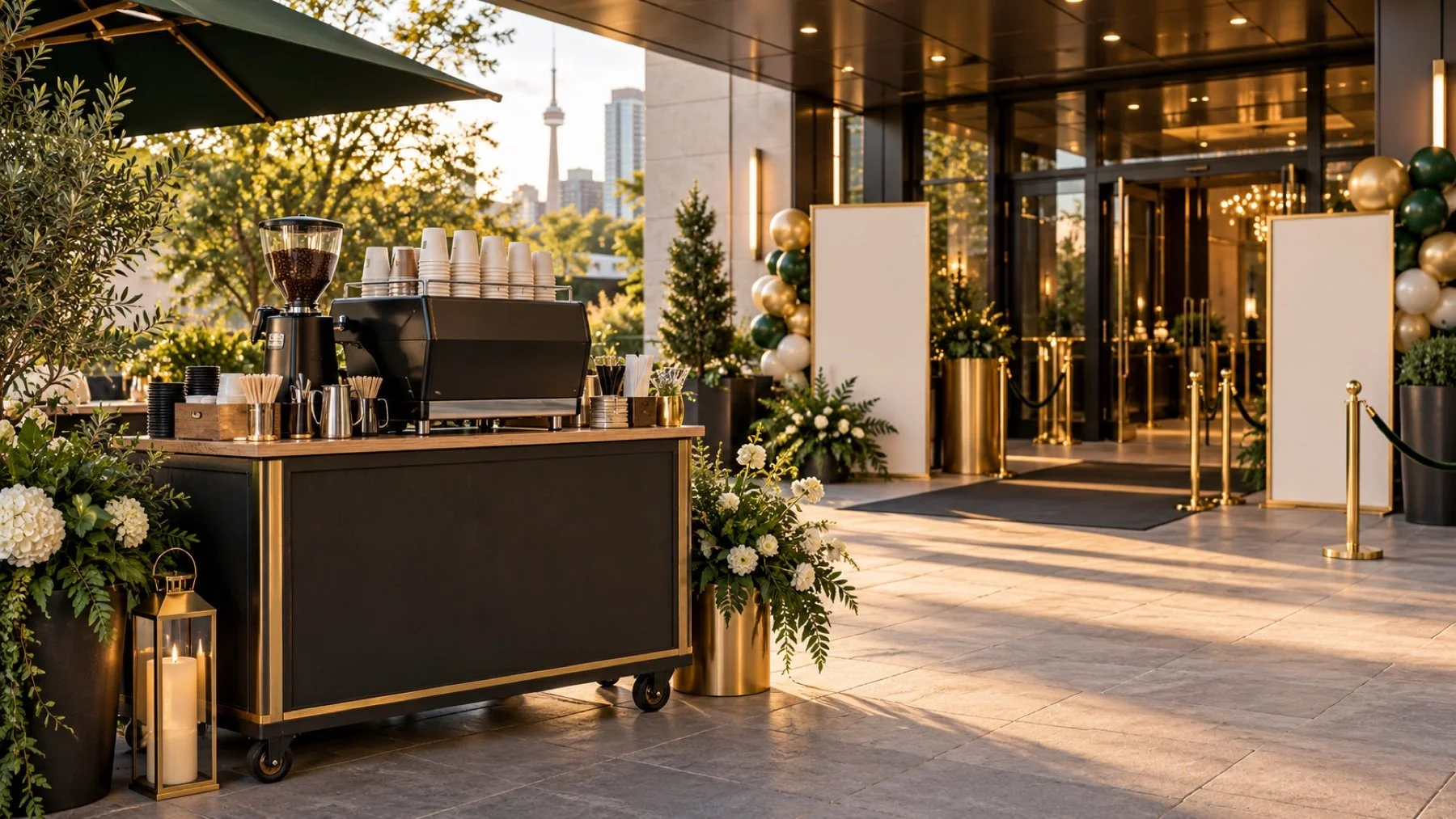
Coffee catering for graduation audiences should follow the ceremony run of show. At NO.3 Coffee, we use the schedule and venue route to discuss the service window.
The fastest way to create a coffee line at a graduation is to open the bar exactly when one large audience leaves the auditorium. The same station may feel relaxed if it opens during staggered arrivals or post ceremony mingling. Timing and movement shape the service more than the event title does.
Plan coffee catering for a graduation or award ceremony from the run of show. Choose the service window, place the station along a workable guest path and coordinate access with the venue. Do not rely on an invented guest count formula or throughput promise. Ask the coffee team to assess the actual schedule and setup.
In its 2025 research, the Coffee Association of Canada found that 71 percent of Canadians had consumed a coffee beverage the day before the survey. That national result gives coffee broad context, while the graduation schedule remains the right basis for planning one ceremony.
When the ceremony is part of a Toronto special event, review the Toronto Public Health food vendor selection guidance. Venue operations and food vendor checks should appear alongside the run of show.
Read the ceremony schedule as a movement plan
List doors open, audience arrival, procession, program start, intermission, dismissal, photographs and reception. Beside each point, note where graduates, honourees, families, staff and speakers will be. This reveals whether the coffee bar serves one audience or several groups on different paths.
If the event has multiple ceremonies, identify reset periods and when the venue needs corridors clear. A station that works after the final ceremony may be unsuitable during a turnover. Share this context with the supplier before requesting a fixed service window.
Choose the opening that fits the event goal
Arrival service can welcome families and give early guests a place to gather. It needs enough time before seating begins and a location that does not interfere with ticketing or security. An intermission bar must work within a short break and should not compete with washroom routes or another concession.
Post ceremony service can support photographs and mingling. Guests may arrive in a single wave, so decide whether opening slightly earlier or using another location will distribute movement. The supplier can discuss staffing and setup, but should not promise a line time without the details that drive demand.
Place the station beyond the first bottleneck
The closest spot to the auditorium doors is not always the best. Guests need room to exit before deciding where to go. Look for a location that is visible from the main path but does not narrow it. Keep accessible routes, emergency exits, coat check and photo areas clear.
Walk the route with the venue contact. Confirm where the queue may form, how waste will be collected and whether guests can carry drinks into the next space. If drinks are not allowed in the auditorium, use signs and timing to avoid sending guests toward a closed door with a full cup.
Coordinate venue access and supplier setup
Provide loading, parking, elevator and security instructions. Record when the coffee team may enter and who can approve the final station location. Ask for the exact power and placement needs of the selected equipment because NO.3 Coffee’s public pages contain differing specifications. The current event plan should resolve them.
Name one operations contact who is not on stage or managing the ceremony line. That person can handle a delayed room release or a station move. If the event includes an outdoor portion, add a confirmed weather fallback rather than expecting the supplier to improvise.
Write a ceremony specific quote request
Send the event date, venue, audience groups, schedule, expected attendance range, preferred service moment, available setup window and proposed location. Add the menu direction, decaf and non coffee needs, and any institution or sponsor branding. Ask the supplier to state equipment, staffing, service materials, setup, cleanup and venue requirements in writing.
Review NO.3 Coffee’s mobile espresso bar, broader event coffee services, and sample menus. These pages help prepare the brief, while the final quote confirms the plan.
Map the audience waves around the ceremony
Draw a simple timeline from venue doors opening to the end of post ceremony photographs. Mark when graduates, honourees, families, speakers and staff arrive. They do not all move at the same time. A station that opens for early arrivals can serve a gradual flow, while one that opens when the auditorium empties faces a concentrated release. The coffee team needs the pattern, not only the total attendance estimate.
For award programs, add reception, seating, intermission and networking blocks. Decide whether coffee supports welcome, a programmed break or conversation after the formal presentation. Each choice changes the best location and menu. A welcome station must not obstruct check in. An intermission station needs clear ordering before people return to their seats. Post program service can sit closer to mingling and photography areas if the venue route allows it.
Coordinate the service opening with the master of ceremonies and venue manager. If the program runs late, determine whether the bar waits, opens quietly or follows the original clock. Put that answer in the event plan and name the person who can authorize a change. Baristas should not have to infer the schedule from audience movement while the planner is managing the stage.
Place the station for movement after the order
Look beyond where guests line up. Decide where they go with a completed drink. A bar beside the auditorium exit can create a second stop in the same doorway. Moving it into a lobby zone with room to disperse may protect the exit path and make conversation easier. Keep ramps, stairs, emergency routes and accessible circulation clear, then confirm the placement with the venue and supplier.
Share the loading plan separately from the public floor plan. Large education and awards venues may use docks, security desks, service elevators or restricted corridors. Record the approved arrival point, access contact and time. If other caterers, production crews or decor teams use the same route, put the sequence in the run of show. The coffee setup can be visually compact and still require careful movement behind the scenes.
Build the quote request from the ceremony facts. Include the schedule, audience waves, venue route, proposed station area, service objective, menu needs and named operations contacts. Ask the coffee team to recommend the format for that plan without promising a staffing formula or queue time. A practical recommendation connects the run of show to the selected equipment and menu.
Create a service cue sheet for the event team
Add the coffee bar to the same cue sheet used for doors, seating and stage moments. Include supplier access, setup complete, bar open, any pause, last service and breakdown access. Name the person who can change those cues. This connects coffee to the ceremony instead of leaving it as a side note in the catering file.
Give ushers and front of house staff only the information they need. They should know the station location, opening time and route that keeps the lobby moving. They do not need to answer ingredient or venue requirement questions. Direct those to the barista team or event contact. Clear boundaries keep public guidance accurate.
After the event, record whether the chosen opening and location matched the audience movement. This is not a claim about universal throughput. It is first party operational evidence for the next ceremony. Future planners can use the observation to improve the run of show while still asking the supplier to assess each new venue and schedule.
Include the graduates, honourees and speakers in the movement review. They may enter from backstage, remain for photographs or follow a route that differs from the audience. Staff and volunteers may need service before doors open or after the public window. Do not promise a separate service without the supplier confirming it. Instead, identify the groups and their timing in the brief so the coffee team can recommend whether one opening, a staged opening or another arrangement fits the event. This detail is especially useful when the ceremony and reception use different parts of the venue.
Finally, confirm how the service closes. Guests may remain for photographs and conversation after the formal program, while venue staff begin a room turn. State the last service cue and the route available for breakdown. This avoids a conflict between a lingering reception and crews preparing the next use of the space.
A final check for graduation and awards events
- Complete run of show
- Audience movement at each service option
- Venue approved station and waiting area
- Loading, access and power confirmation
- Menu, branding and dietary requests
- One available operations contact
Plan your NO.3 Coffee service
Send NO.3 Coffee the ceremony schedule and proposed service location. Request a current event proposal built around the actual guest flow. We serve Toronto and the GTA. Review the current service area.