
How to Choose a Coffee Caterer in Toronto
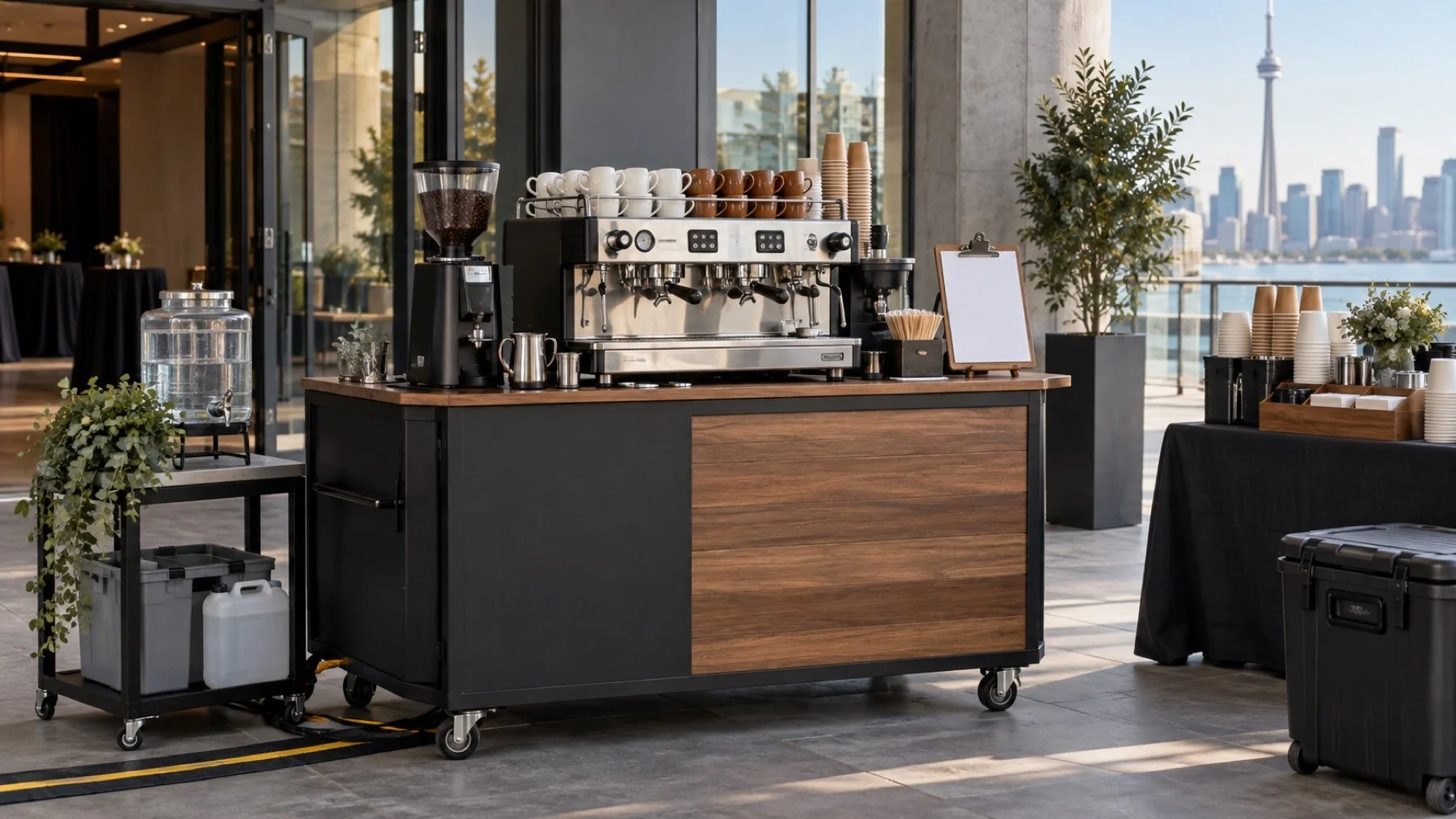
A coffee caterer Toronto planners can compare fairly should answer the same venue, service and documentation questions. At NO.3 Coffee, we prepare the recommendation from those event facts.
A polished menu is not enough to choose a coffee caterer for a Toronto event. The supplier also needs to fit the venue, arrive through the correct access route, operate with the documentation the organizer requires and serve the menu within the event schedule.
Compare caterers in the same order you would plan the event. Define the service moment, test the proposed setup against the venue, review food safety and insurance evidence, then compare the written scope. This sequence makes it easier to distinguish a complete staffed service from a quote that leaves important work with the planner.
The Coffee Association of Canada reported 71 percent daily coffee beverage consumption in its 2025 research. That does not prove demand at one event. Use the event brief to compare suppliers, then apply Toronto Public Health food vendor requirements separately.
Toronto planners can use the Toronto Public Health vendor selection guidance as a neutral checklist. It tells organizers to verify food handler certification and ask mobile vendors for relevant inspection information.
Define the service before comparing suppliers
State whether you need a mobile espresso bar, a compact cart or another staffed format. Include the event type, guest range, service window and the role coffee plays in the schedule. An arrival service has different pressure points from an all afternoon activation or a post dinner wedding bar.
Clarify that NO.3 Coffee is a mobile event service rather than a pantry delivery company or storefront cafe. This matters when a search result uses office coffee service to mean equipment, beans and restocking. Compare suppliers that solve the same event problem.
Test the setup against the venue
Ask each caterer what it needs for placement, power, water, loading and setup. Then give that answer to the venue for confirmation. Do not select a station from a photograph and assume it will fit. NO.3 Coffee publishes conflicting exact figures for some logistics, so the current proposal should carry the requirement for the selected equipment.
Record the loading route, elevator or security procedure, access time and day of contact. Review where guests will wait and whether the line affects doors, food service or accessible routes. A strong caterer should be able to discuss the proposed layout without making an absolute promise about queue length.
Review food safety and insurance evidence
Toronto Public Health’s event organizer guidance asks planners to verify food vendors and says Ontario Regulation 493/17 makes food handler certification mandatory for food vendors. Ask the supplier what documentation applies to its operation and ask the venue what it requires. Do not treat a website badge as a substitute for the current document.
Ask for proof of liability insurance in the form the venue accepts. NO.3 Coffee states that it carries liability coverage. Ask the supplier for current food handler documentation, and avoid claiming that it has a specific Toronto registration or inspection unless that record is produced.
Compare menu and staffing scope in writing
Request the proposed drinks, milk choices, decaf and non coffee options, barista staffing, equipment, serving materials, setup, cleanup and service window. Ask how dietary requests are communicated. Do not accept an allergen free promise without a verified handling plan, and do not infer drink caps or open ended service from conflicting public descriptions.
If branding is involved, separate the service scope from the production scope. Confirm the asset handoff, proof process and final approval. Prices, quantities and timelines belong in the supplier’s current quote. This keeps the comparison specific to the event rather than to a generic package name.
Use the written quote as the final source of truth
Line up the quotes by inclusions and responsibilities before comparing totals. Note what the supplier provides, what the venue provides and what remains open. Ask how changes to timing, access or the service location are handled. If a detail matters to the event, it should appear in writing rather than in a verbal aside.
Review NO.3 Coffee’s event services, its mobile espresso bar, and the current event proposal page. Use the same brief when contacting other suppliers so the comparison remains fair.
Use one evidence request for every supplier
A fair comparison begins with the same written brief and the same document request. Send each supplier the event date, venue, service window, guest pattern, menu priorities, access notes and branding needs. Then ask for the proposed service format, current insurance evidence, venue requirements and food safety documentation that applies. When every response follows the same outline, planners can compare scope and readiness instead of being distracted by different proposal styles.
Toronto Public Health tells organizers to verify food vendor requirements and food handler certification. Ask how the supplier will meet the rules that apply to the event, but do not turn a general statement into proof about one company. Request the current record or explanation needed by the venue. For a public special event, confirm whether the organizer and vendor have responsibilities through the city process and who owns each submission.
Insurance deserves the same precision. Ask what coverage the supplier carries, whether the venue needs a certificate and when that document can be issued. NO.3 Coffee states that liability insurance is included with its mobile service, but the venue may still require a specific certificate format or named party. Put that requirement in the procurement checklist early so it does not surface after the creative and menu decisions are complete.
Interview the service plan, not only the sales promise
Ask the supplier to explain the route from arrival to service. Who unloads, what access is needed, how the station reaches the room and which venue contact must be available? Then ask how guests approach, order and leave the bar. Strong answers connect the equipment plan to the floor plan and schedule. Weak answers stay at the level of attractive drinks without resolving how the service operates in the selected venue.
Review the proposed menu for clarity and fit. A conference arrival, wedding dessert period and private celebration each create a different ordering pattern. Ask which familiar, decaf and non coffee choices belong in the plan and how dietary requests are communicated. Do not accept an allergen free promise without evidence of the actual handling environment. Accurate limits are more useful than broad language that cannot be verified on event day.
Finish with references that are relevant to the decision you are making. A gallery can show visual style, but it does not prove insurance, food safety or venue readiness. A testimonial can describe satisfaction, but it does not replace the written scope. Build the selection record from the proposal, documents, venue response and direct answers. That file protects the planner if staff change before the event and gives the chosen supplier a precise handoff.
Finish with a risk based comparison
List the consequences of each unresolved answer. Missing venue approval can block setup. Missing insurance evidence can delay vendor clearance. An unclear menu can create change requests. An undefined loading route can put the schedule at risk. Rank those issues by their effect on the event, then ask the shortlisted suppliers to close the important gaps before selection.
Do not assign the same weight to every difference. A decorative option may be pleasant but recoverable. Food safety documentation, venue compatibility and a complete service scope are harder to fix at the last minute. This helps procurement choose a supplier that can operate in the venue rather than the proposal with the longest feature list.
Record the final reason for selection and the evidence reviewed. Include the proposal version, insurance response, food safety records, venue confirmation, menu and access plan. A concise decision file supports internal approval and becomes the starting point for delivery. It also prevents later discussion from treating an unverified sales phrase as a committed event detail.
A useful final interview question is simple: what could prevent this exact service from operating as proposed? Give the supplier the venue and schedule, then listen for specific dependencies. The answer may involve access, an approval, a document, equipment placement or a menu decision. Ask who closes each dependency and by what date. A supplier that names real constraints gives the planner something to manage. A supplier that promises a seamless event without reviewing the site leaves the important work undefined. Add the answer to the decision file and confirm the closed items before the event team treats the booking as ready.
Questions to settle before you book
- Service format and event role
- Venue placement, access and power confirmation
- Food safety and insurance documents
- Equipment, baristas and serving supplies
- Menu, dietary communication and branding scope
- Change terms and planner responsibilities in writing
Plan your NO.3 Coffee service
Use the checklist to prepare one complete event brief. Request a current event proposal from NO.3 Coffee and compare the written scope with the needs of your Toronto venue. We serve Toronto and the GTA. Review the current service area.