
The Hidden World of Espresso Drinks: What Your Barista Never Told You
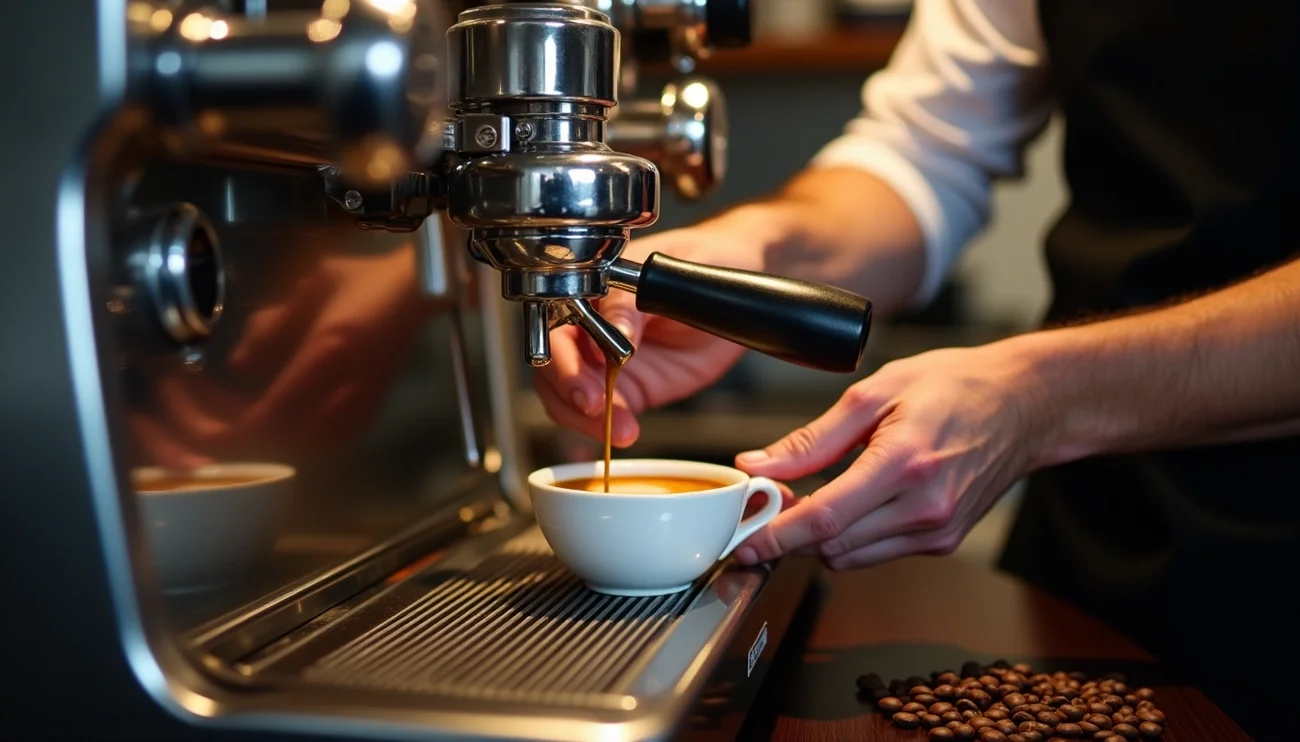
Espresso drinks trace their origins to the early 1900s when Angelo Moriondo patented the first espresso machine in 1901. However, it was Luigi Bezzera who refined the design, creating the modern espresso we know today. While many coffee enthusiasts enjoy espresso-based beverages daily, few understand the science and artistry behind what makes these concentrated shots so distinctive.
Essentially, espresso is a highly concentrated coffee beverage characterized by its rich flavor and creamy consistency. Unlike regular coffee, the preparation process involves forcing nearly boiling water through finely ground coffee beans under high pressure – typically 9 bars – extracting deep, concentrated flavor in just 25-30 seconds. This unique brewing method is actually where the name comes from; "espresso" means "pressed out" in Italian.
Different types of espresso drinks have evolved from this basic preparation method, from the pure single shot (approximately 1 ounce or 30ml containing about 63mg of caffeine) to more elaborate espresso-based drinks like the Americano, which was rumored to have been invented for American GIs stationed in Europe in the 1940s. What distinguishes these various kinds of espresso drinks isn't just their ingredients but the precise techniques and measurements that baristas master behind the counter.
The hidden world of espresso drinks extends far beyond what's printed on café menus. From the importance of crema – that distinctive foamy layer on top – to the science of water temperature and pressure, this article will reveal what your barista never told you about the art and science behind your favorite coffee beverages.
The basics of espresso drinks
Understanding espresso drinks begins with recognizing that espresso isn't simply a type of coffee bean or roast – it's a specific brewing method. Beyond the concentrated flavor, several fundamental elements distinguish espresso from your regular morning brew.
What makes espresso different from regular coffee
Espresso and coffee aren't different things – espresso is a type of coffee, specifically a method of brewing that uses high water pressure and finely ground beans to make a small, concentrated shot. The primary distinction lies in the brewing process. Furthermore, espresso is created using high pressure to force hot water through very finely ground coffee beans.
This unique brewing method results in three key differences:
Consistency and texture: Espresso is creamy and thick, while regular coffee has a thinner, more watered-down consistency
Flavor intensity: The concentrated nature creates a fuller-bodied, bold taste profile
Serving size: A typical espresso shot is only 1-2 ounces compared to standard 6-8 ounce coffee servings
Despite its smaller size, espresso contains more caffeine per ounce than regular coffee. Nevertheless, an 8 oz cup of regular coffee typically has more total caffeine than a single 1 oz espresso shot.
How espresso is brewed under pressure
Pressure is the defining characteristic that transforms ordinary coffee into espresso. Specifically, espresso brewing employs approximately 9 bars of pressure – nine times the atmospheric pressure at sea level. To visualize this intensity, it's equivalent to the pressure felt when diving 90 meters underwater.
The brewing process follows several precise steps:
First, coffee is ground to a very fine consistency and packed tightly into a portafilter basket. Subsequently, the grounds are tamped down into a flat "puck" and secured in the espresso machine. Once engaged, the machine forces near-boiling water through this compressed bed of coffee at 9 bars of pressure.
This pressurized extraction creates an emulsion of oils, gasses, and dissolved solids that contribute to espresso's distinctive character. Consequently, the entire brewing process typically takes just 20-30 seconds.
Why crema matters in espresso
The hallmark of properly extracted espresso is the crema – that golden-brown foam layer sitting atop a freshly pulled shot. Crema forms when air bubbles combine with soluble oils from finely ground coffee during the brewing process.
Crema is more than just visually appealing – it serves as an indicator of quality and contributes significantly to the overall espresso experience:
It enhances flavor by containing volatile aromatic compounds
It improves mouthfeel, giving espresso a smooth, creamy texture
It helps balance the overall taste by contributing texture and richness
Its color and consistency indicate bean freshness and extraction quality
A proper crema should be golden-brown (tawny) in color, have a smooth consistency, and comprise approximately 1/10th of the cup's total volume. Additionally, quality crema should maintain its structure when the cup is tilted and remain intact for about two minutes before melting into the espresso.
Through understanding these fundamental aspects of espresso, coffee enthusiasts can better appreciate what makes their favorite espresso drinks so special and distinctive from regular coffee.
A brief history of espresso culture
The journey of espresso from invention to cultural phenomenon began in late 19th century Italy, where the desire for faster coffee preparation sparked a revolution that would ultimately change global coffee culture.
The invention of the espresso machine
Initially, coffee preparation was a slow process, taking up to five minutes per serving. In 1884, Angelo Moriondo of Turin patented the first steam-driven "instantaneous" coffee machine. His invention was designed to brew coffee more quickly than traditional methods, yet it made coffee in bulk rather than individual servings.
The true birth of modern espresso came in 1901 when Luigi Bezzera from Milan created several improvements to Moriondo's design. Bezzera's innovation was truly revolutionary—a machine that could brew coffee directly into the cup in under a minute. Desiderio Pavoni purchased Bezzera's patents in 1903 and began industrial production in a small Milan workshop, manufacturing one machine daily.
The technology continued evolving throughout the early 20th century. In 1946, Achille Gaggia introduced the spring-lever machine that could produce 8-10 bars of pressure. This innovation gave birth to crema—the defining characteristic of quality espresso. Finally, in 1961, Ernesto Valente created the Faema E61, introducing a motorized pump that standardized pressure and revolutionized modern espresso preparation.
How espresso became a social ritual in Italy
Beyond the technical achievements, espresso fundamentally transformed Italian social life. Espresso bars began emerging across Italian cities like Turin, Milan, and Rome in the early 20th century. These establishments weren't merely places to drink coffee—they became central social hubs where people gathered, conversed, and enjoyed the vibrant atmosphere.
The post-World War II era marked a golden age for espresso culture. The introduction of Gaggia's machine in 1948 enhanced the overall espresso experience, making these bars more popular than ever. The Italian authorities even enforced maximum prices on coffee as a "necessity," which led to the tradition of standing while drinking espresso—a practice that kept prices lower.
According to sociologist Massimo Cerulo, "I can assure you that if it weren't for Italian espresso and the social ritual of espresso coffee, Italy wouldn't exist as we know it". Moreover, the public sphere as we know it was born in coffeehouses, with some of Italy's oldest dating back to the 18th century.
Espresso's global rise through cafes and chains
In the mid-20th century, Italian immigrants brought their espresso-making traditions to American shores, establishing espresso bars in cities like New York and San Francisco. The post-war period saw espresso machines becoming more common and affordable, allowing the culture to spread internationally.
Italian coffee culture gained massive popularity worldwide in the 1970s, carried by migration and new Italian communities from Seattle to Australia. The rise of major coffee chains in the 1980s and 1990s further popularized espresso-based drinks, making them staples in American coffee culture.
Today, specialty coffee and third-wave coffee culture have elevated the espresso experience globally, focusing on high-quality beans, precise brewing methods, and appreciation for the craft. From its humble beginnings as a time-saving invention, espresso has evolved into a worldwide cultural phenomenon that continues to bring people together over tiny cups of intensely flavored coffee.
Types of espresso drinks you think you know
Beyond the basic espresso shot lies a diverse world of variations that many coffee enthusiasts enjoy without fully understanding their distinctions. Let's explore these familiar yet often misunderstood espresso-based drinks.
Espresso shot: single, double, ristretto, lungo
First and foremost, understanding pure espresso variations helps appreciate all espresso drinks. A single espresso (1 ounce) serves as the baseline, while a doppio (double) uses twice the coffee (14 grams) for twice the volume. For those seeking intensity, a ristretto or "restricted" shot uses the same coffee amount but less water and shorter extraction time (15-20 seconds), creating a sweeter, more concentrated flavor. In contrast, a lungo ("long" in Italian) uses more water and longer extraction time (45-60 seconds), resulting in a milder but more bitter profile.
Americano: espresso with hot water
An Americano combines espresso with hot water, supposedly created during WWII when American soldiers in Italy diluted espresso to resemble coffee from home. Typically prepared with a 2:1 ratio (2 parts water to 1 part espresso), this ratio can be customized to taste. Notably, pouring water over espresso disperses the crema, whereas adding espresso to water (called a "long black" in Australia) preserves it.
Latte and cappuccino: milk-based variations
Lattes and cappuccinos differ primarily in their milk-to-espresso ratios. A cappuccino follows a 1:1:1 ratio (equal parts espresso, steamed milk, and foam), creating a balanced, robust flavor. Conversely, a latte uses more steamed milk (typically 3:1 milk-to-espresso) with just a thin layer of foam, resulting in a creamier, milder taste. Traditionally, cappuccinos come in smaller cups (150-180ml) compared to lattes (240-300ml).
Macchiato and cortado: small but bold
A macchiato ("stained" in Italian) is essentially an espresso "marked" with a small amount of milk foam, maintaining coffee's intensity while softening its edges. The cortado ("cut" in Spanish) uses equal parts espresso and steamed milk, striking a perfect balance between the two elements. Both are served in smaller glasses than lattes—a cortado typically 4-5 ounces and a macchiato even smaller.
Flat white vs latte: subtle differences
Originating in Australia or New Zealand, the flat white features less milk than a latte with a thinner "flat" layer of microfoam. It's served in smaller cups (around 160ml compared to a latte's 240ml), resulting in a stronger coffee taste despite containing the same amount of espresso. In essence, flat whites offer a more pronounced espresso flavor for those wanting milk without sacrificing coffee intensity.
Espresso martini: the cocktail twist
Created in 1983 by London bartender Dick Bradsell for a model requesting something to "wake her up, then fuck her up", the espresso martini combines vodka, coffee liqueur, and fresh espresso. Its popularity has skyrocketed recently, becoming one of America's top 10 most-ordered cocktails by 2022. Its signature frothy crema-like head and balanced sweet-bitter profile have made it a modern classic.
What your barista never told you
Behind every perfect espresso lurks a world of technical precision and scientific knowledge that baristas rarely explain to customers. These hidden factors dramatically influence what ends up in your cup.
How grind size changes everything
Grind size stands as the single most impactful variable in espresso preparation. A finer grind creates more resistance, slowing water flow and increasing extraction time. When too fine, espresso becomes bitter and over-extracted; when too coarse, it runs fast and tastes sour or flavorless. Even seemingly tiny adjustments can transform your drink from undrinkable to extraordinary. Undeniably, the perfect grind resembles fine table salt and requires a quality burr grinder rather than blade choppers that produce inconsistent particles.
The secret behind milk texture and microfoam
Properly steamed microfoam isn't just for latte art—it fundamentally changes your drink's taste profile. This velvety texture comes from injecting tiny bubbles throughout the milk rather than creating separate foam and liquid layers. Generally, the steaming process involves positioning the steam wand just below the milk's surface to create a whirlpool effect that folds microbubbles throughout. Baristas aim for milk between 120-140°F—any hotter destroys milk's natural sugars.
Why water quality affects flavor more than you think
Surprisingly, water composition might matter as much as bean quality. Research shows it's not just total dissolved solids (TDS) but specific minerals that impact extraction. Primarily, magnesium enhances fruity, acidic notes while calcium brings out chocolate, creamy qualities. Ideal water contains 75-250 ppm TDS with hardness between 50-175 ppm. Poor quality water also damages espresso machines through scale buildup.
How baristas dial in espresso daily
Professional baristas "dial in" espresso multiple times daily as environmental factors constantly change extraction. This process involves adjusting one parameter at a time—typically starting with dose (18-20g), then yield (wet weight), and finally brew time (25-32 seconds). Shops may adjust grinders every sixth shot to maintain consistency throughout the day. Each adjustment aims to balance acidity, sweetness, and bitterness.
The role of bean origin and roast profile
Roast levels dramatically alter chemistry and extraction potential. Light roasts (385-410°F) maintain higher acidity and origin-specific flavors but require finer grinding due to density. Medium roasts (410-430°F) offer balanced profiles as sugars caramelize more fully. Dark roasts (430-465°F) feature lower acidity with oils visibly coating beans, requiring slightly coarser grinding to prevent bitterness.
How to explore espresso at home
Creating exceptional espresso at home requires the right equipment, technique, and ingredients. With practice, anyone can master the art of pulling perfect shots in their own kitchen.
Choosing the right espresso machine
Several types of home espresso machines exist at various price points. Manual machines offer hands-on control through a lever system. Semi-automatic models let you control measurements and extraction timing. Fully automatic machines handle everything with the press of a button. Most quality machines range from CAD 278 to CAD 2,786, with dual-boiler models allowing simultaneous brewing and steaming.
Starter tips for pulling your first shot
Successful espresso depends on precise ratios. Begin with 7-10g of coffee for single baskets, 16-18g for double baskets, and 20-22g for triple baskets. Aim for a 1:1.5 brew ratio (20g coffee to 30g espresso) and extraction time between 25-30 seconds. For proper tamping, hold the tamper like a doorknob, maintain a 90-degree angle, and apply consistent pressure.
How to steam milk like a pro
Start with cold milk in your pitcher, filling to just below the spout. Position the steam wand tip slightly below the surface for a few seconds to introduce air, afterward submerge deeper to create a whirlpool effect. Stop when the pitcher becomes almost too hot to touch—around 140°F.
Experimenting with beans and blends
Medium to dark roasts typically work best for espresso. Try different origins—Brazilian beans offer chocolate notes alongside Ethiopian varieties for fruitiness. Store beans in airtight, opaque containers away from light, air, and humidity.
Conclusion
The world of espresso extends far beyond the simple act of drinking coffee. Undoubtedly, understanding the science, history, and artistry behind your favorite espresso drinks transforms the entire experience from merely consuming caffeine to appreciating a cultural phenomenon centuries in the making.
Throughout this exploration, we've seen how espresso differs fundamentally from regular coffee through its unique pressure-brewing method. Additionally, we've uncovered the significance of that golden crema layer that signals quality and enhances flavor. The journey from Angelo Moriondo's first machine to today's sophisticated equipment reflects humanity's constant pursuit of coffee perfection.
Beyond technical aspects, espresso has shaped social interactions across cultures. What began as an Italian time-saving invention evolved into a global ritual that brings people together in cafés worldwide. The various drinks derived from the basic espresso shot—whether a velvety flat white or a potent ristretto—each tell a story of cultural exchange and adaptation.
Perhaps most significantly, we've pulled back the curtain on what baristas rarely explain: how grind size dramatically affects taste, why properly textured milk matters, and how water quality can make or break your espresso experience. These hidden factors explain why the same drink can taste remarkably different from one café to another.
For those inspired to create espresso at home, remember that patience and practice are essential companions to quality equipment. Start with freshly roasted beans, invest in a decent grinder, and experiment with different origins and roast profiles to discover your preference. After all, the journey of espresso appreciation is as rewarding as the destination.
The next time you order your favorite espresso-based drink, you'll do so with newfound knowledge of what makes it special. Therefore, whether you're standing at an Italian bar for a quick espresso or crafting your own flat white in a Canadian kitchen, you're participating in a rich tradition that continues to evolve with every perfectly pulled shot.
FAQs
Q1. What is the ideal extraction time for an espresso shot? The ideal extraction time for a well-balanced espresso shot is typically between 25-30 seconds. This timeframe allows for optimal flavor extraction when using about 18-20 grams of ground coffee to produce 30-40 milliliters of espresso.
Q2. How does grind size affect espresso quality? Grind size is crucial in espresso preparation. A finer grind creates more resistance, slowing water flow and increasing extraction time. Too fine a grind can result in bitter, over-extracted espresso, while too coarse a grind can lead to sour or flavorless shots. The ideal grind resembles fine table salt.
Q3. What are the key differences between a latte and a cappuccino? The main difference lies in the milk-to-espresso ratio. A cappuccino follows a 1:1:1 ratio of espresso, steamed milk, and foam, creating a balanced, robust flavor. A latte uses more steamed milk (typically 3:1 milk-to-espresso) with just a thin layer of foam, resulting in a creamier, milder taste.
Q4. How does water quality impact espresso flavor? Water quality significantly affects espresso flavor. The ideal water contains 75-250 ppm total dissolved solids with hardness between 50-175 ppm. Specific minerals like magnesium and calcium can enhance different flavor notes in the espresso. Poor quality water can also damage espresso machines through scale buildup.
Q5. What are the "5 M's" of espresso making? The "5 M's" of espresso making are: Miscela (the coffee blend), Macinazione (the grinder), Macchina (the espresso machine), Mano (the barista's skill), and Manutenzione (machine maintenance). These elements represent the key factors that contribute to creating a perfect espresso shot.